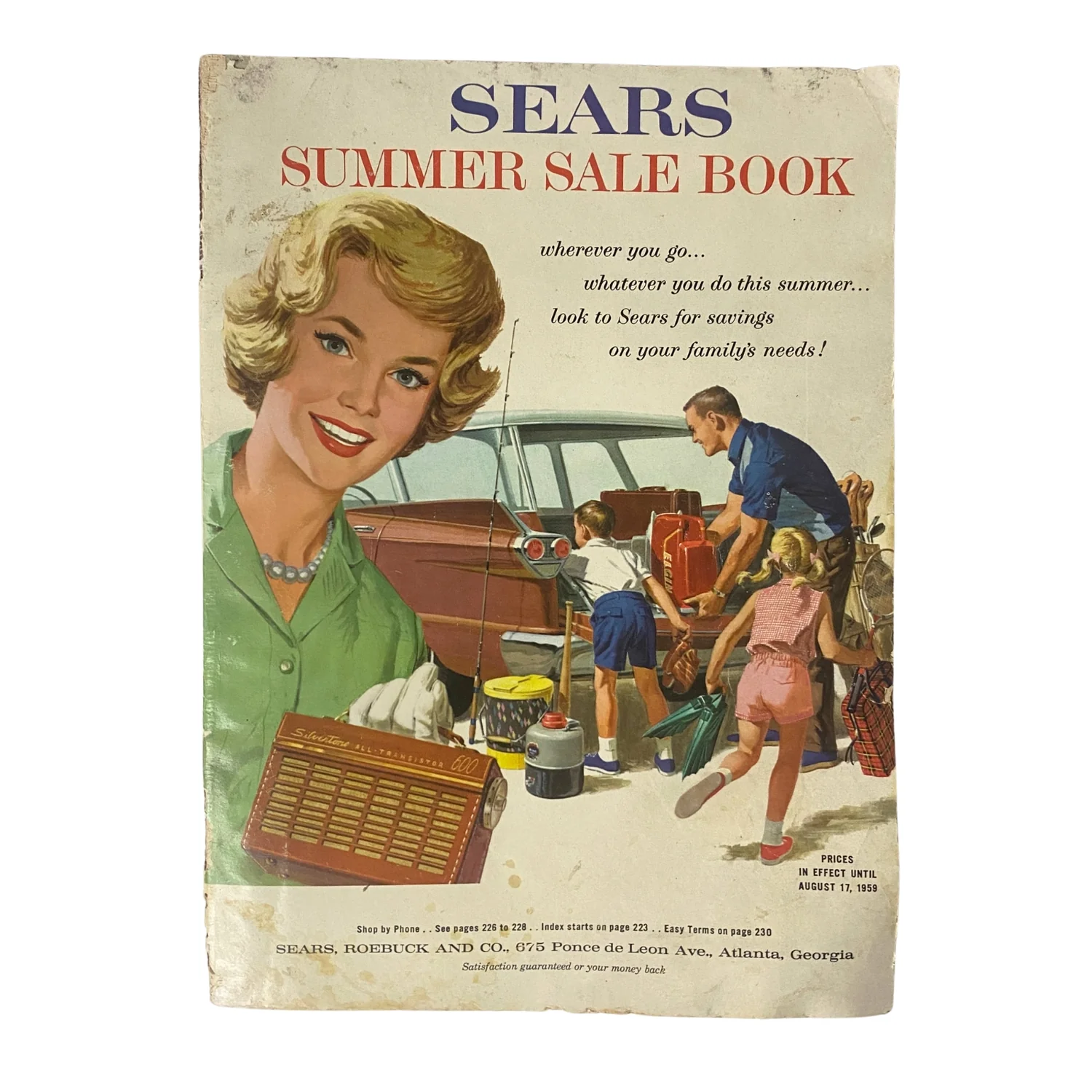
There was a time when brands did not just sell you things…they quietly helped raise you.
They did not attempt to be your community. They weren’t sliding into your inbox. They didn’t need a loyalty app, a QR code, or a manifesto about purpose. They simply showed up, year after year, doing the job they promised to do.
Take Sears.
Sears wasn’t sexy. Sears did not disrupt. Sears sold washing machines that outlived your mortgage, tools your father still owns, and school clothes that survived playground asphalt, dodgeball, and whatever unsupervised chaos passed for childhood in the 1970s and 80s.
Craftsman. Kenmore. Solid names, because they were backed by something even rarer now, accountability.
And then Sears disappeared, replaced by algorithmically suggested junk and the unsettling realization that lifetime warranty now means the shelf life of a running back in the NFL (3-5 years).
Sears was only one of many.
There was Toys “R” Us, which understood that childhood joy should feel overwhelming. Aisles so long they felt like an expedition. Bikes suspended from the ceiling like airborne ambition. Geoffrey the Giraffe didn’t need brand synergy. He just stood there, silently watching you negotiate with your parents.
There was RadioShack, where you learned that technology wasn’t magic, it was understandable. A place staffed by people who actually knew things and didn’t act offended when you asked for help or look at you with contempt while on their cell phone and point to Aisle 3 where your alleged batteries were located. You actually went in for batteries and left believing you might someday build something.
Browsing at Blockbuster’s for weekend movie marathons was an enjoyable excursion and an added benefit was maybe meeting a cute guy in the aisles.
Shopping at Lord&Taylor with your mom after fully digesting the huge September Back To School issue of Seventeen magazine.
And then there was fast food. The real kind, before everything became limited time only and suspiciously identical.
McDonald’s, back when it was about the experience. Birthday parties in plastic booths. Ball pits that were probably public-health nightmares, but felt like freedom. Meals with toys.
Howard Johnson’s fried clams and Rum Raisin ice cream, Fribbles at Friendly’s, places that weren’t ironic, weren’t curated, and didn’t apologize for being exactly what they were. You knew the menu. You knew the colors. You knew how it would taste before you walked in.
Dunkin’ Donuts, before it tried to become a lifestyle brand and forgot it was really about milky coffee, sugar, and minding its own business and donuts that tasted like a donut should.
Even Kentucky Fried Chicken, back when it was actually fried with real white meat chicken parts served in buckets and unapologetic about it.
These places were rituals. Milestones. Rewards. The punctuation marks of childhood and family life.
We did not just lose stores and restaurants.
We lost durability.
We lost consistency.
We lost places that didn’t need to be reinvented every six months to survive.
Today, everything is optimized, refreshed, beta-tested, and vaguely temporary. Brands appear, disappear, rebrand, and ask you to download something just to buy a sandwich. Nothing is meant to last because lasting isn’t scalable enough.
We did not stay in the car and do a drive thru…waiters and waitresses became friends and were not labeled servers…you always wanted to sit in Howie’s section who need your order by heart.
The old brands understood something simple and powerful. It meant that trust is built by showing up the same way, over and over again. By not surprising you. By not chasing trends. By keeping a promise so long it fades into the background of your life.
You didn’t have to love Sears.
You didn’t have to worship McDonald’s.
You just had to trust them.
And trust, it turns out, is the one thing we don’t mass-produce anymore.
So here’s to the brands that raised us quietly, fed us reliably, fixed things properly, and understood that sometimes the strongest brand statement is simply…We will still be here. Consistent and reliable. Not sexy and payrolling influencers who really do not what is at your very core.
No app required.
No pivot.
No social media bull crap.
I miss all that these businesses stood for and the fond memories of the way we were.
Discover more from If The Devil Had Menopause
Subscribe to get the latest posts sent to your email.